肢體語言並不像是聲音的一種正式的語言,但其實這些小肢體語言中常常是透露出我們的真正想法,也對別人有很大的影響力。
以下是一些常見到但不太有人知道的肢體語言小暗示:
Body language, or nonverbal communication, is not a formal language like verbal communication. There are, however, subtle nonverbal cues that often occur out of our own awareness that can have a powerful impact on others.
Here are some common but lesser-known body language cues:
1. 挑眉
通常當我們看到某個認識的人,我們會無意識地挑起了眉毛。不過我們也可以有意識對某人挑眉,代表很快很細微的跟某人打招呼一樣。人類學家Irenaus Eibl-Eibesfeldt就指出挑眉是一種通用的形式來代表認識。
The Eyebrow Flash.
This is the quick raising of the eyebrows that occurs, often without our knowledge, when we see someone we recognize. But at the conscious level, we can use the eyebrow flash as a quick, subtle greeting to others. Human ethologist Irenaus Eibl-Eibesfeldt studied the eyebrow flash and suggests that it is a universal sign of recognition.

2. 瞳孔擴大
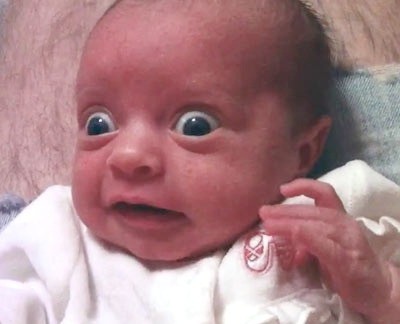
許多研究都發現瞳孔大的女性通常也都被認為比較美麗。也因為這樣,古代埃及時代的女人就會把一種叫顛茄的植物放進眼睛裡,讓自己的瞳孔看起來更大。
Pupil Dilation. A series of studies found that pictures of attractive women were rated as even more attractive if their pupils were larger. Knowledge of this affect goes back at least as far as the ancient Egyptian practice of women putting poisonous belladonna in their eyes to cause their pupils to dilate
3. 雙手高舉
當我們高舉雙手,同時向上向下的揮動時,這樣的舉動代表“了解”。也就是說“我懂了” 。通常會讓對方感覺到十分正面的情緒,也通常與智者作相連結。
The Bowl Gesture.
This is the gesture when our hands move symmetrically and synchronously upward, forming a sort of "bowl." The gesture can occur when a person is conveying understanding, as if saying, “I’ve got it all here before me.” It is typically viewed very positively by observers, and conveys a sense that the gesturer is wise.
4. 假笑,或是非杜鄉笑容
(JL小說明:杜鄉笑容Duchenne Smile 就是只真心的笑容,那種會牽動到眼角的真心笑容:))))http://en.wikipedia.org/wiki/Smile)
Paul Ekman與他的同事研究發現如何分辨有真正感情在內的笑容或是假的快樂呢?關鍵就在眼睛。真正的笑容,也就是杜鄉笑容是會牽動到眼睛的。真正的笑容會使你顯露出你的魚尾紋。而通常假的笑容是在告訴對方說“我在笑,但我不是真正的開心。“或是說”我正在配合你笑“。
The “Fake,” or Non-Duchenne, Smile
Extensive research by Paul Ekman and his colleagues has distinguished between real smiles—indicating the sincere emotion of happiness—and feigned happiness. The key is in the eyes. A "true," or Duchenne smile, involves the eyes, specifically the narrowing at the outer corners that creates the “crow’s feet” effect. Often the fake smile is used to appease another person, communicating, “I’m smiling, but I’m not enjoying this,” or “I’m humoring you.”
5. 緊握雙拳
當我們緊握雙拳,大拇指微微朝上,這在公開演講的場合中,表示強調你的觀點。如果你去看前美國總統柯林頓的演講方式,你會發現他常常用這樣的手勢來表現他的強調或重視某事。
The Baton Gesture.
This involves a closed-fist, with the thumb protruding on top, and is a very effective tool used in speaking that conveys emphasis in a positive way. If you view speeches by former President Bill Clinton, you'll see he makes effective and frequent use of this gesture.

JL碎念:
這篇文章短短但是非常適合用來學習英文。
大家可以參考看看。
然後,但願你們都能露出杜鄉的笑容 :)))))))))))
原文在這裡:http://www.psychologytoday.com/blog/cutting-edge-leadership/201409/5-secret-messages-your-body-language-sends
